

High Conflict Couples Therapy in Fredericksburg, Virginia
Specialized help for couples where conflict has become the pattern
— in Fredericksburg, and online across Virginia.
High conflict relationships are not beyond help. But they do require more than standard couples therapy — a clinician with real training and real history working at this level of intensity, who understands what drives high conflict cycles, can work with the reactivity in the room, and can create enough safety for something different to actually happen.
That's what you'll find here. At We Thrive Together you're not handed a generalist who lists couples among a dozen other things — you're working with clinicians who bring genuine depth to exactly this. Beth Collins holds advanced EFT training designed specifically for highly conflicted couples, along with Relational Life Therapy training for the high-control and narcissistic patterns that so often run alongside high conflict. Chris Biddix brings deep experience with the trauma, addiction, and nervous-system reactivity that drive so much high conflict from underneath — the startle responses, the armoring, the escalation that fires before thought can catch it. Two clinicians, two different kinds of depth, both built for the intensity most couples therapy isn't.
You have tried to fix this
“We cannot dance with a partner and not touch each other’s raw spots.
We must know what these raw spots are
to be able to speak about them in a way that pulls our partner closer to us.”
Dr. Sue Johnson, primary developer of Emotionally Focused Therapy for Couples
Does this sound familiar?
Parallel lives
You're excellent teammates and roommates. What you miss is being partners.
Lonely together
You can be in the same room and still feel unseen.
Small talk only
Conversations are about logistics — the kids, the calendar, the house — rarely about you.
"It's just a season"
You keep waiting for things to naturally get better, and they haven't.
The spark went quiet
Physical closeness has faded, and neither of you knows how to start it back up without it feeling awkward.
Afraid to name it
You don't want to start a fight by admitting something feels off — so you say nothing.
The couples who come back aren't the ones who tried harder to be nice to each other.
They're the ones who learned how to reach — and how to let each other in.

What the work actually looks like
You will not spend your sessions rehashing who forgot what. We work at the level of the pattern — the quiet cycle of reaching and retreating that's been running your relationship without either of you choosing it. The cycle is the enemy here, not your partner.
Together we slow things down enough to notice what's underneath the distance: the longing that's still there, the fear of being a burden, the ache of not feeling wanted. As those softer truths become sayable, something shifts. You start turning toward each other again — not because a worksheet told you to, but because it finally feels safe to.
For couples who want to jump-start that momentum, we also offer an in-person Reconnect intensive — focused, dedicated time to do this work in a weekend rather than across months.
What changes when you do this work
You talk about more than logistics
Conversations stop being status updates. You start sharing what's actually going on inside — and wanting to hear it from each other.
Closeness comes back
Affection stops feeling awkward or obligatory. Reaching for each other — a hand, a look, a real hug — feels natural again.
You feel like a team
Instead of two people managing a household side by side, you feel like partners who are genuinely on the same side.
The clinicians who do this work
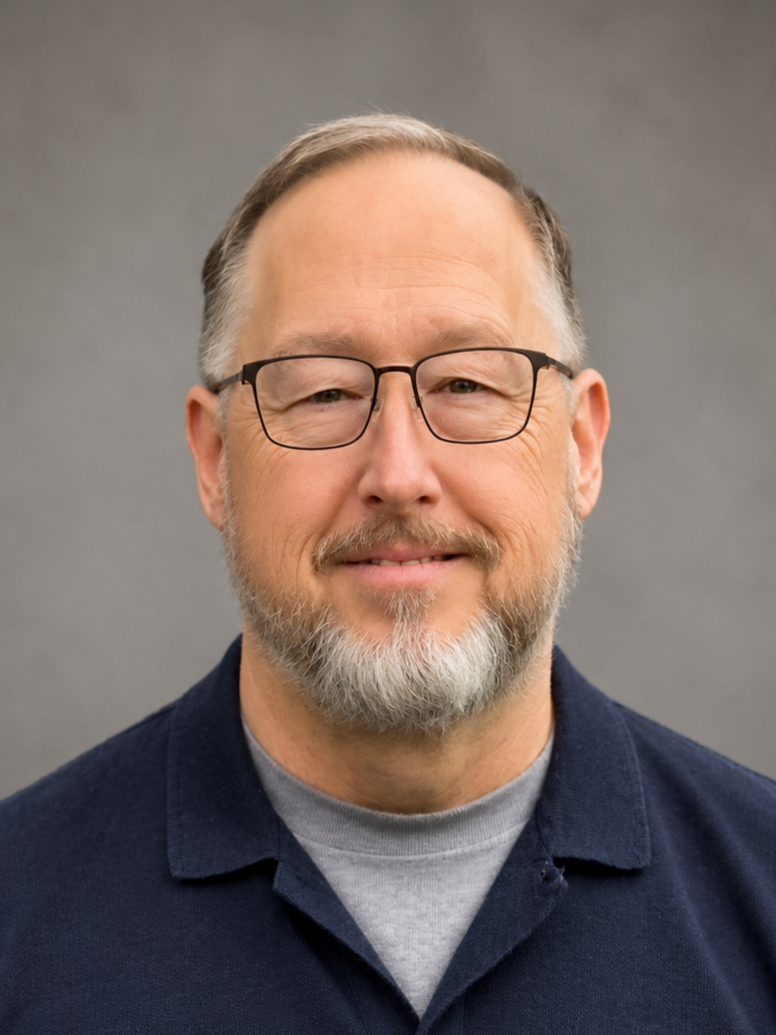
Chris Biddix, LPC
EFT-trained
Trauma, addiction recovery & men's experience
60 min - $175 · 90 min - $262.50 · 120 min - $350
High conflict often has a history underneath it. When one or both partners carry trauma, live with a heightened startle response, or are in recovery from addiction, the nervous system can fire faster than thought — and ordinary conflict escalates before anyone chooses it. Chris brings deep experience with these patterns: trauma-driven reactivity, addiction and recovery, and the ways men in particular can armor up rather than open up. A retired Navy veteran and EFT-trained therapist, he works well with couples where past experience keeps hijacking the present.
Read Chris's Bio →
Chris Biddix, LPC

Beth Collins, LCSW, CTT
EFT-trained · High conflict & RLT
60 min - $230 · 90 min - $345 · 120 min - $460
Beth holds specialized post-graduate training in EFT with Highly Conflicted Couples — training built specifically for the level of distress and reactivity these relationships involve, not general couples therapy stretched to fit. She also brings Relational Life Therapy training for narcissistic and high-control patterns, which frequently co-occur with high conflict, and over 25 years of clinical experience working with couples at every level of distress. She is not afraid of what's in the room, and she is not going to give up on your relationship.
Read Beth's Bio →
Beth Collins, LCSW, CTT
Questions about high conflict couples therapy
-
This is one of the most common things we hear from high conflict couples — and it is a completely legitimate concern. Standard couples therapy is not designed for high conflict dynamics. The specialized EFT training Beth holds for highly conflicted couples specifically addresses the patterns that cause standard approaches to fail — the rapid escalation, the entrenched positions, the difficulty accessing vulnerability under pressure. It is a genuinely different approach. Not the same thing with a different therapist.
-
Probably not. Unless there is active domestic violence or coercive control — which are contraindications for couples therapy — high conflict relationships are workable with the right approach and the right therapist. The couples who feel most hopeless about their relationship often have the deepest emotional investment in each other — which is actually a significant clinical resource. Reach out and we will have an honest conversation about what is possible for your specific situation.
-
This happens when the therapist is not skilled enough to maintain genuine fairness under pressure. Beth is specifically trained to hold both partners' experience with equal care — which means there will be moments where each of you feels challenged. But neither of you will feel consistently dismissed or ganged up on. If at any point the process feels unfair you are encouraged to name it directly in session. That conversation is part of the work.
-
Yes — and for high conflict couples we often recommend it.
When both partners are also working individually with therapists who understand the relational work, the couples sessions tend to move more effectively and more safely. Individual therapy gives each partner a dedicated space to process their own reactions, understand their own patterns, and build the internal regulation skills that make the couples work more accessible.
Our team at We Thrive Together and Thrive Counseling for Healing and Connection includes clinicians trained in EFT, EMDR, and IFS — frameworks that work directly alongside high conflict couples therapy. When appropriate we coordinate care across the team so everyone is working in the same direction without compromising individual confidentiality.
Ask us about coordinated care options when you reach out.
-
Both are possible. Many high conflict couples find that the physical separation of telehealth makes it slightly easier to stay regulated during sessions. In person sessions allow for more direct intervention in the moment. Beth will help you determine which format makes the most sense for where you are.
-
High conflict couples therapy with Beth Collins is offered at her standard rates — $230 for 60 minutes, $345 for 90 minutes, and $460 for 120 minutes. Intensives are available for couples who want concentrated work. We Thrive Together is a private pay practice. Superbills are available for possible out-of-network reimbursement. We have opted out of Medicare.
-
That hopelessness is real — and it makes sense given what you have been through. It is also one of the most common experiences couples bring to this work. Beth does not need you to believe it will work before you start. She just needs you to be willing to show up. The belief tends to come later — after something shifts that you did not expect to shift. Reach out and take the first step. The rest can follow from there.
-
High conflict therapy rarely follows a straight line. Progress in this work does not always look like fewer arguments right away — sometimes it looks like arguments that end differently, or one partner starting to recognize their own pattern mid-escalation, or a moment of genuine repair that would not have been possible six months ago.
What we watch for is movement — in each partner's capacity to slow down, stay present, and reach for something different than their default response. That movement often happens internally before it shows up in the relationship. It takes time. And it requires both partners to be genuinely engaged in the process — not just showing up.
Beth will be honest with you throughout about what she is seeing and what the process needs. If something is not working she will name it directly rather than let the sessions continue without real movement.
This is not the end of the road
If you've been told your relationship is too far gone — or if couples therapy has failed before and left you more hopeless than when you started — reach out and we'll have an honest conversation about what's actually possible for your situation. No false promises. The same intensity that makes high conflict so painful means there's still something both of you are fighting for, even if it doesn't feel that way right now. Our team responds within one business day.